

Your piano isn’t just furniture. Whether it’s a cherished upright that’s been in the family for generations or a grand piano anchoring your living room in Jupiter or Wellington, it represents real sentimental and monetary value. So when moving day comes, handing it off to a general freight crew with furniture blankets and a prayer isn’t exactly a comforting thought.
This is where professional piano movers earn their reputation—and where a lot of homeowners finally understand why specialized service matters. Let’s walk through exactly what piano relocation specialists do, step by step, so you know what to expect and why it’s worth getting right.
Why Pianos Are in a Category of Their Own
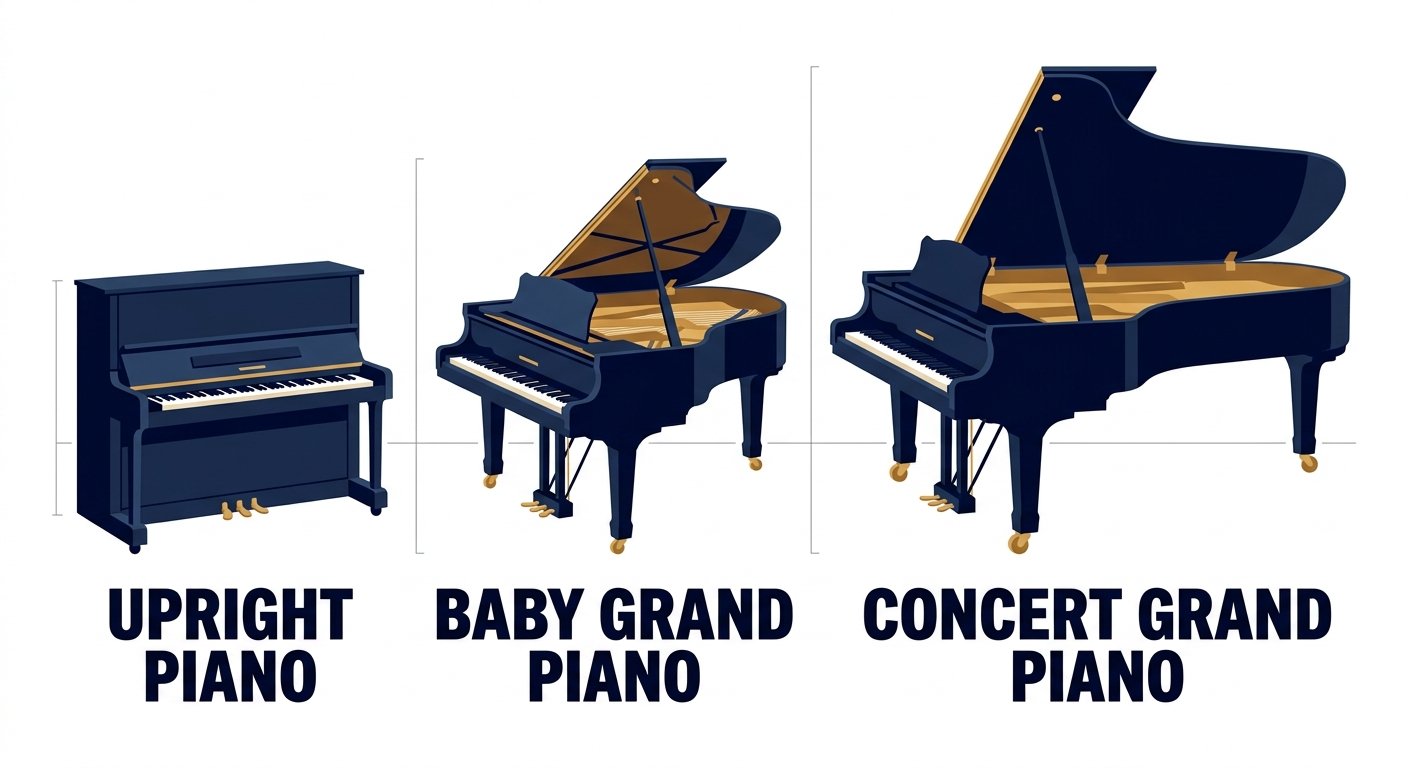
Before we get into the process, it helps to understand what makes pianos so uniquely challenging to move. An upright piano typically weighs between 400 and 800 pounds. A baby grand can weigh 500 to 700 pounds. A full concert grand? Anywhere from 900 pounds to over half a ton.
But weight alone isn’t the issue. The real challenge is the combination of extreme weight, an awkward center of gravity, delicate internal mechanics (over 12,000 parts in many instruments), and a finish that scratches if you look at it wrong. According to the Piano Technicians Guild, pianos contain thousands of precision components that can be damaged by improper handling, vibration, or sudden movement—which is exactly why this job requires trained hands, not just strong ones.
In Palm Beach County, we also deal with Florida-specific challenges: humidity fluctuations, tight condo hallways in buildings along the Intracoastal, narrow staircases in older Delray Beach homes, and summer heat that makes every job more physically demanding. Local knowledge makes a real difference here.
The Initial Assessment: Planning Before Lifting
A professional piano moving company near you doesn’t just show up and start pushing. The process begins with an assessment—either in person or through detailed photos and measurements you provide.
This planning phase covers:
- Piano type and dimensions – upright, console, spinet, baby grand, parlor grand, or concert grand each require different equipment and techniques
- Current location – Is it on the ground floor? Up three flights? Inside a condo building with elevator restrictions?
- Destination details – Where exactly is it going, and are there steps, ramps, or tight corners involved?
- Access challenges – Narrow doorways, outdoor walkways, gated communities, or HOA move-in windows all factor into the plan
In Palm Beach County, condo buildings—especially along South Flagler Drive in West Palm Beach or in the Boca Raton high-rises—often have specific elevator reservation requirements and move-in time windows. Experienced piano movers know to ask about these ahead of time so there are no surprises on moving day.
What Happens on Moving Day
Protecting the Instrument
Professional piano relocation specialists bring materials specifically designed for pianos—not just generic moving blankets. Here’s what proper piano protection looks like:
- Padded piano covers designed to protect the finish without trapping moisture (especially important in Florida’s humidity)
- Stretch wrap to secure moving parts like the keyboard lid and music desk
- Piano boards and skids – rigid platforms that allow the instrument to be safely tilted and secured for transport
- Felt padding on contact points to prevent scratching
For grand pianos, the process is more involved. The legs are carefully removed and individually wrapped. The lid is secured or removed depending on clearance. The piano body is then laid on its side on a specialized piano board—something that requires multiple trained movers working in precise coordination.
Equipment That Does the Heavy Lifting
Professional piano movers use equipment most general movers don’t carry:
- Heavy-duty piano dollies with locking wheels designed for the weight distribution of pianos
- Ratchet straps rated for thousands of pounds
- Stair-climbing equipment for multi-story moves
- Hydraulic lift gates on trucks designed for heavy, oversized cargo
This isn’t equipment you improvise with. Using the wrong dolly or securing method can cause the instrument to tip, which is dangerous to the crew and devastating to the piano.
Loading and Transport
Once the piano is properly wrapped and secured on its board or dolly, the loading process is methodical. The instrument is positioned first in the truck, secured against the interior walls, and padded again to prevent shifting during transport.
Professional piano movers palm beach county customers rely on understand that driving matters too—hard braking, sharp turns, and potholes all transfer force to the piano. Experienced drivers know to take routes and drive in ways that minimize movement inside the truck.
Delivery and Placement
Getting the piano into its new home requires the same care as getting it out. Once it’s in the room, specialists handle final placement—which includes reassembling any removed components, positioning the instrument where you want it, and making sure it’s stable on its legs before they leave.
Some homeowners don’t realize that piano placement in a room affects the instrument itself. The Smithsonian Institution notes that pianos should be kept away from exterior walls, direct sunlight, and air vents—advice worth keeping in mind as you plan where yours will live in your new space.
What About Tuning After the Move?
Here’s something every piano owner should know: even a perfectly executed move will likely require a tuning. This isn’t a sign anything went wrong—it’s just how pianos work. Changes in environment, humidity, and even the vibration of transport affect string tension over time.
Most piano technicians recommend waiting two to four weeks after a move before scheduling a tuning, giving the instrument time to acclimate to its new environment. In South Florida, where humidity levels can fluctuate significantly between a climate-controlled interior and outdoor air, this acclimation period is especially important.
Our piano moving service at Hall’s Local Movers is designed to get your instrument from point A to point B safely—and we’re always happy to talk through post-move care so you know what to expect.
Red Flags to Watch for When Hiring Piano Movers
Not every company advertising piano moving is actually equipped for it. Here’s what to watch for:
- No specific piano equipment mentioned – If they can’t describe piano boards, piano dollies, or specialty straps, that’s a concern
- No licensing or insurance – A legitimate moving company should be licensed and insured. In Florida, movers are regulated by the Florida Department of Agriculture and Consumer Services
- Vague or verbal-only pricing – You deserve a written estimate with no hidden fees before anything is touched
- No experience with your piano type – Moving an upright is very different from moving a grand; make sure they’ve done both
- Reluctance to assess the job beforehand – Any reputable piano moving company will want to understand the full scope before quoting
At Hall’s Local Movers, we’re a licensed and insured, owner-operated team with 23+ years serving Palm Beach County. We provide transparent pricing with no hidden fees—so you always know what you’re paying before we show up.
Frequently Asked Questions
How much does it cost to move a piano in Palm Beach County?
Piano moving costs depend on the type of piano (upright vs. grand), the distance involved, floor levels, stairs, and any special access requirements. Local moves within Palm Beach County are generally more affordable than you might expect, especially when you consider the specialized equipment and expertise involved. Contact us for a straightforward, itemized quote with no surprises.
Can’t regular movers handle a piano?
Technically, some general movers will attempt piano moves—but without proper equipment and training, the risk of damage to your piano, your home, and the crew increases significantly. Grand pianos in particular require specialized knowledge that most general movers simply don’t have. It’s one of those cases where the right tool for the job matters enormously.
Do I need to do anything to prepare my piano for the move?
Not much, honestly. Close and latch the keyboard lid if possible. Remove any items sitting on top of the piano. Make sure there’s a clear path from the piano’s current location to the exit. Your professional piano movers will handle the rest—wrapping, securing, and protecting the instrument throughout.
How do I find a reliable piano moving company near me in Palm Beach County?
Look for a locally based company with verifiable experience, proper licensing and insurance, and specific expertise in piano moving. Reading reviews and asking for references helps. A company that’s been serving your community for years—and is owner-operated—tends to have more personal accountability than a large corporate chain.
Will my piano need tuning after the move?
Almost certainly yes, but that’s completely normal. Plan to schedule a tuning two to four weeks after your move, once the piano has had time to settle into its new environment. This is standard practice and has nothing to do with how carefully the move was handled.
Ready to Move Your Piano the Right Way?
Moving a piano isn’t something you want to figure out on the fly. It takes planning, the right equipment, trained hands, and genuine care for the instrument you’ve invested in—financially and emotionally.
At Hall’s Local Movers, we’ve been helping Palm Beach County families and homeowners handle exactly these kinds of moves for over 23 years. From upright pianos in Wellington family rooms to grand pianos in Palm Beach estates, we treat every instrument with the same respect we’d give our own.
When you’re ready to plan your move, we’d love to walk through the details with you—no pressure, no corporate runaround. Just an honest conversation from a neighbor who knows this county and takes this work seriously. Learn more about our piano moving service or give us a call to get your free, transparent quote today.