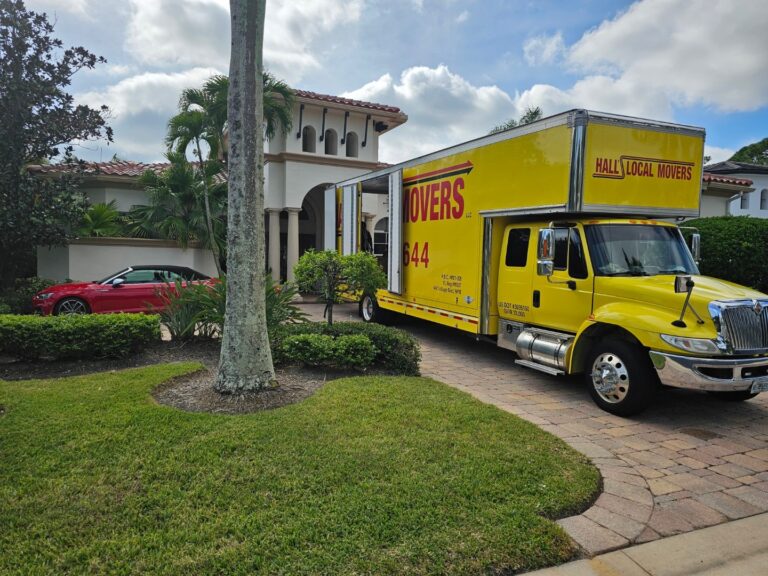
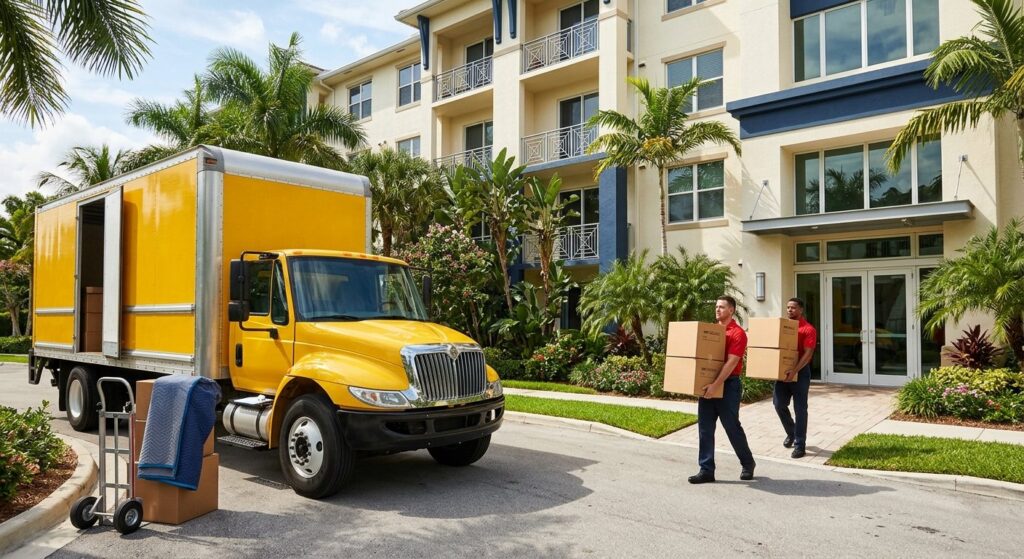
Moving into your first rental in Palm Beach County means more than finding a great apartment—it means knowing what to confirm before you sign, how to coordinate your move efficiently, and how to protect your security deposit from day one. This checklist-style guide walks first-time renters through every key step, from lease review to final placement, with local Palm Beach County context built in.
- Review your lease carefully before signing—Florida law gives tenants specific rights around deposits and notice periods.
- Document your unit thoroughly on move-in day to protect your security deposit when you eventually move out.
- Condo buildings in Palm Beach County often have strict elevator reservations and move-in time windows—confirm these before scheduling your move.
- Asking your moving company the right questions upfront prevents surprise charges and scheduling headaches.
- A family-owned, locally knowledgeable moving team makes a real difference when navigating Palm Beach County’s unique neighborhoods and buildings.
—
Before You Sign the Lease
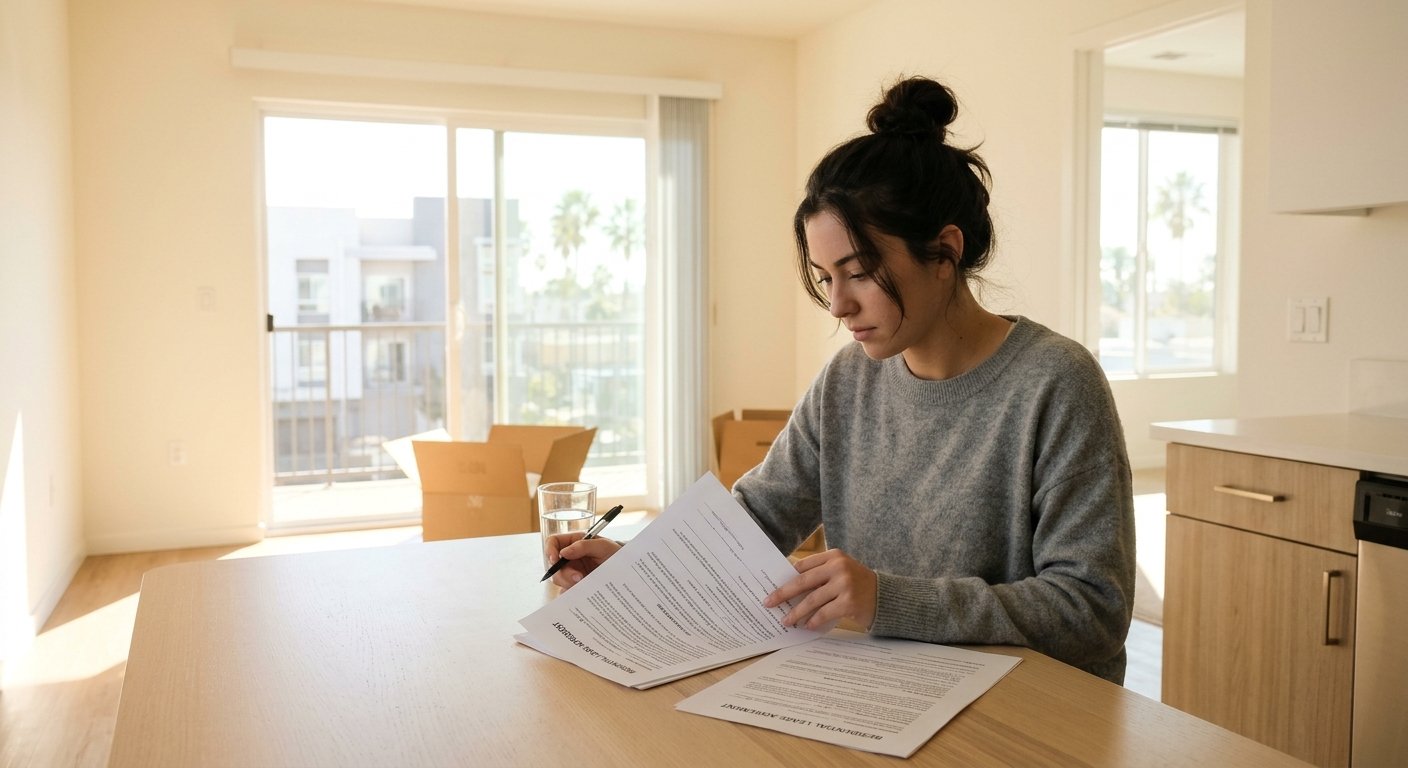
The lease is a legally binding contract, and Palm Beach County’s rental market moves fast—especially in areas like West Palm Beach, Boca Raton, and Delray Beach. That urgency can push first-timers to sign before reading carefully. Don’t. Take a breath and work through this pre-signing checklist first.
Confirm What Florida Law Requires
Florida’s Landlord and Tenant Act, found under Chapter 83 of the Florida Statutes, outlines your rights around security deposits, required notice for entry, and landlord obligations. Under Florida law, landlords must return your deposit within 15 days if there are no claims, or within 30 days if they’re making deductions. Knowing this before you move in shapes how you document the unit from day one.
- Ask for the deposit terms in writing—how much, when it’s returned, and what qualifies as a deduction.
- Confirm what utilities are included versus tenant-paid.
- Clarify the lease renewal and notice-to-vacate timeline (Florida typically requires 15–60 days’ notice depending on lease type, per Chapter 83).
- Check pet policies, parking assignments, and guest restrictions—especially relevant in gated communities in Wellington or Palm Beach Gardens.
Inspect the Unit Before Moving Anything In
Walk through the empty unit with your phone camera before a single box crosses the threshold. Record video of every wall, floor, appliance, and fixture. This documentation is your best protection if a landlord later tries to claim damage that existed before your tenancy.
- Test every light switch, outlet, faucet, and appliance.
- Note any existing scuffs, stains, or damage on a written checklist—sign and date it, and ask the landlord to co-sign if possible.
- Photograph the inside of closets, cabinets, and the bathroom grout (South Florida humidity is not forgiving).
- Check window and door seals—important in Florida for both air conditioning efficiency and hurricane preparedness.
Upload your move-in video to cloud storage immediately after recording, so the timestamp is preserved. This gives you indisputable evidence of the unit’s condition if any deposit dispute arises later.
Coordinating Your Local Move Efficiently
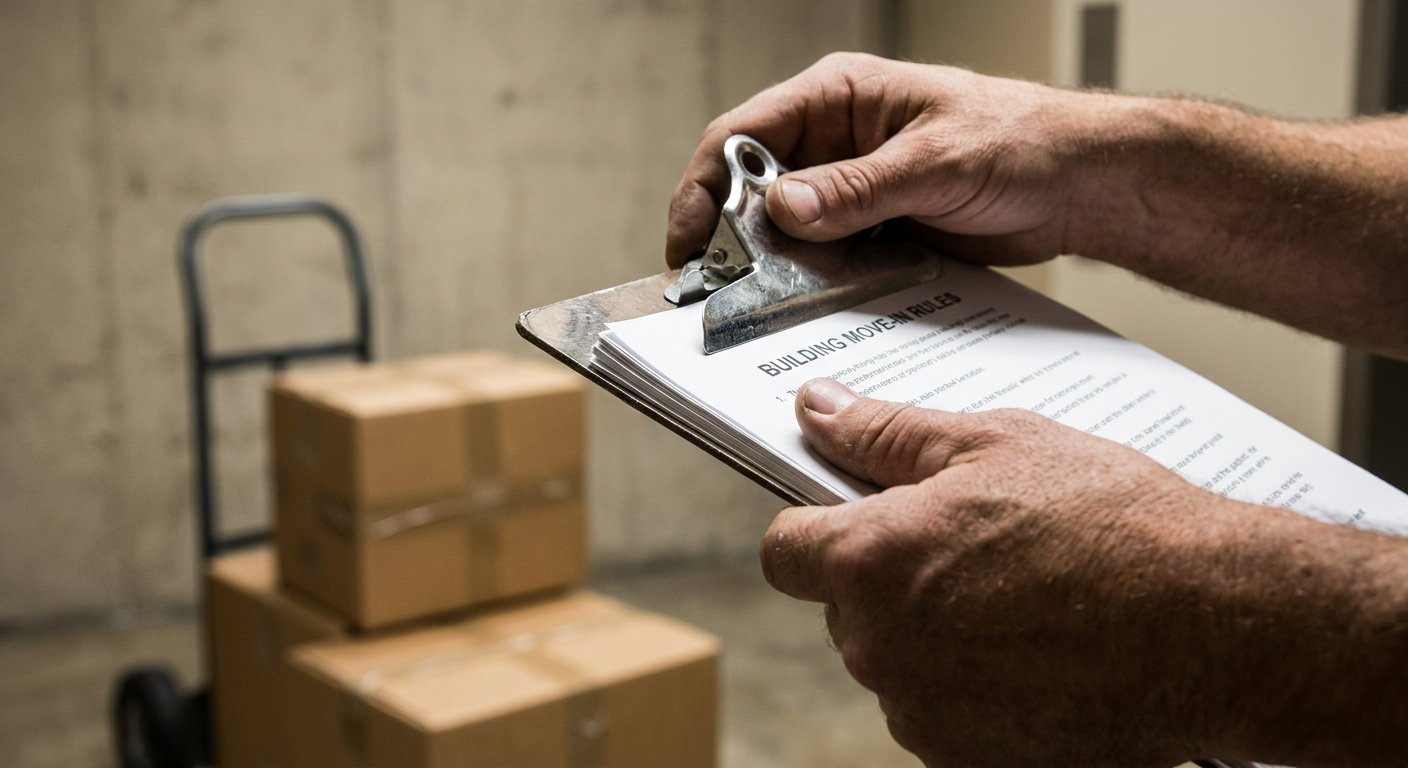
Once the lease is signed and your move-in date is set, the real logistics begin. Palm Beach County has some specific challenges that first-time renters often don’t anticipate—especially if you’re moving into a condo building or a community with a homeowners association.
Understand Your Building’s Rules
Many high-rise and mid-rise buildings in West Palm Beach, Palm Beach, and Boca Raton require you to reserve a service elevator in advance. Some only allow moves during specific hours—often 9 a.m. to 5 p.m. on weekdays. Others require your moving company to provide a certificate of insurance before they’ll allow the truck on property. These aren’t inconveniences; they’re enforceable rules, and violating them can cost you your move-in privileges for that day.
- Contact the building management office at least two weeks before your move date.
- Ask specifically: Is elevator reservation required? What are the permitted move-in hours? Is a mover’s insurance certificate required?
- Find out if there are loading dock restrictions or parking limitations for a moving truck.
Time Your Move Wisely
South Florida’s heat and humidity are real factors. Moving in the middle of the day in Palm Beach County during summer months can be physically exhausting and hard on certain belongings—wood furniture, electronics, and canvases especially. If you can, schedule your move for early morning to get ahead of the peak heat. And if you’re relocating between June and November, keep an eye on the National Hurricane Center for any tropical weather that could affect your plans.
Book your moving date early
Reputable local movers in Palm Beach County fill up fast, especially on weekends and around the first and last of the month when most leases turn over. Book at least 2–3 weeks out.
Confirm building logistics with management
Get elevator reservations, permitted hours, and any insurance requirements in writing from your building before confirming with your movers.
Start packing room by room
Label every box clearly with its destination room. This saves significant time on move-in day and reduces the chance of heavy boxes ending up in the wrong place.
Do a final walkthrough of the old unit
Before the last box leaves, photograph every room again, clean thoroughly, and return all keys—protect your deposit on both ends.
Oversee placement at your new place
Direct your movers on where furniture goes while you have the crew there. Repositioning a heavy sectional after the truck leaves is a much bigger job.
Questions to Ask Your Moving Company

Not all moving companies operate the same way, and first-time renters are especially vulnerable to surprise charges or last-minute confusion. Before you book, ask these questions directly—a trustworthy local mover will answer all of them without hesitation.
- Are you licensed and insured? This is non-negotiable. A licensed and insured moving company protects you if something is damaged in transit.
- Do you charge flat rates or hourly? Understand the pricing structure so there are no surprises on your invoice.
- Are there any additional fees I should know about? Ask specifically about fuel surcharges, stair fees, elevator fees, and long-carry charges.
- Do you offer packing services? If you’d rather hand off the packing, ask whether full or partial packing is available. Hall’s Local Movers offers professional packing and unpacking services that take that burden off your plate entirely.
- Can you handle specialty items? If you have a piano, large artwork, or oversized furniture, ask upfront. You can learn more about how specialty items are handled on Hall’s heavy lifting and specialty items page.
- What’s your policy if the move runs longer than estimated? Understand what happens if the job takes more time than quoted.
A trustworthy local mover will answer every question about pricing and logistics without hesitation—if they hedge, that’s your signal to look elsewhere.
Hall’s Local Movers has been serving Palm Beach County for 39+ years as a family-owned team. That local depth means they know the loading dock situation at downtown West Palm Beach condos, the parking realities on Palm Beach Island, and the community rules in Wellington—knowledge a corporate franchise simply doesn’t carry. If you’re exploring a move to Wellington specifically, their Wellington neighborhood guide is worth a read before you decide on a location.
Protecting Your Security Deposit on Move-Out
Your deposit protection starts on move-in day, not move-out day. The documentation habits you build at the beginning of your tenancy are the same ones that get your money back at the end. According to the Florida Bar’s consumer guidance, tenants who document condition at move-in are in a significantly stronger position when disputing deposit deductions.
- Keep copies of all written communication with your landlord throughout your tenancy.
- Report maintenance issues in writing (email or text) so there’s a paper trail showing you flagged problems, not caused them.
- When you’re ready to move out, clean thoroughly and patch any nail holes. Florida landlords can deduct for damage beyond normal wear and tear.
- Do a final walkthrough with your landlord when possible, and photograph everything after cleaning.
Frequently Asked Questions
How far in advance should I book movers for a Palm Beach County rental move?
For most local moves in Palm Beach County, booking 2–3 weeks in advance is a good target. Weekend slots and end-of-month dates fill quickly. If you’re moving into a condo that requires elevator reservations, confirm that date with building management before locking in your mover so both timelines align.
What should I look for when choosing local movers in Palm Beach County?
Look for a licensed and insured company with demonstrated local experience—ideally one that knows the specific building and neighborhood logistics in your area. Ask about their pricing structure upfront, whether they charge additional fees, and whether they offer services like packing and specialty item handling. Transparent pricing with no hidden fees is a strong indicator of a trustworthy company.
Can a moving company provide the insurance certificate my condo building requires?
Yes—any reputable, licensed moving company should be able to provide a certificate of insurance upon request. Ask for this when you book, not the day before your move. Give the building management’s contact information to your movers so they can send it directly if needed.
Is it worth hiring packing services for a first apartment move?
For many first-time renters, yes. Professional packing services save time, reduce stress, and ensure fragile items are wrapped and boxed correctly. If you’re moving on a tight timeline or have items you’re worried about damaging, professional packing is a worthwhile investment. Hall’s Local Movers offers full packing services as part of their residential moving options.
What happens if my move takes longer than the estimate?
This depends on how the company structures their pricing. With hourly movers, additional time means additional cost. Ask your moving company before booking: what triggers extra charges, and how will they communicate if the job is running over? A reputable mover will give you a clear, honest answer—and do their best to stay efficient from start to finish.
Ready to Make Your First Palm Beach County Move Stress-Free?
Hall’s Local Movers is a licensed, insured, family-owned team with 39+ years of experience serving renters, families, and professionals across Palm Beach County—with transparent pricing and no hidden fees.

About Hall's Local Movers
Hall's Local Movers is an family-owned moving company serving Palm Beach County with 39+ years of local expertise. They specialize in stress-free residential and commercial relocations with a personal care approach that treats your belongings like their own. Unlike corporate movers, they provide transparent pricing with no hidden fees, deep knowledge of Palm Beach County neighborhoods and regulations, and hands-on service from packing to final placement. Visit hallsmovers.com →